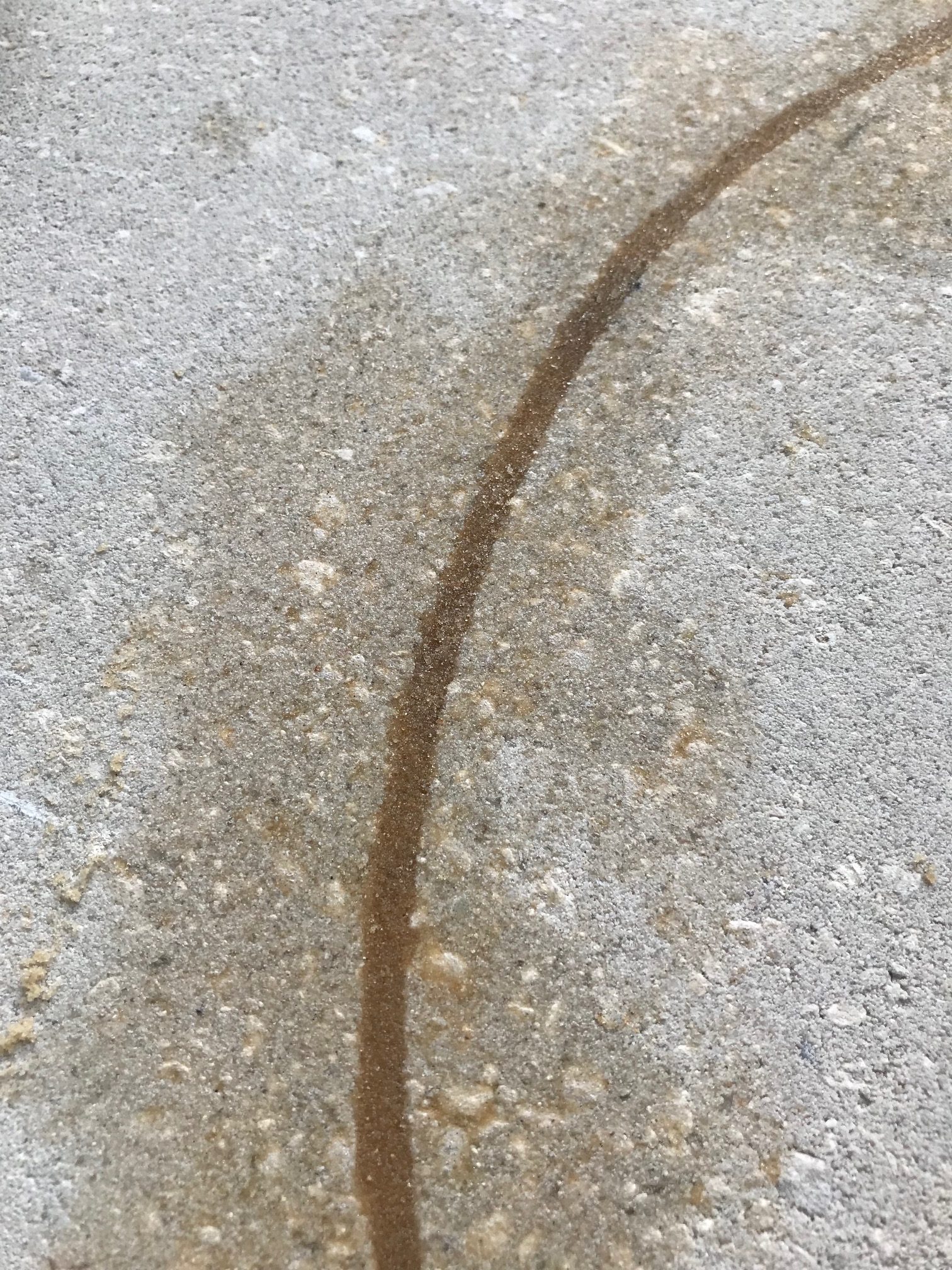
In today’s fast-moving digital world, it’s not enough to have a great product or provide excellent service—you also need to stay visible. For decorative concrete companies, this means regularly updating your social media pages and website with fresh, relevant content. Here’s why consistency in your online presence isn’t just helpful—it’s essential.

1. Build Trust and Credibility

When potential customers search for decorative concrete services and land on your website or social media page, they’re looking for signs that your business is active, reliable, and trustworthy. A frequently updated website and vibrant social media feed send a clear message: We’re open, we’re busy, and we care about what we do.

New photos of recent projects, customer testimonials, or quick tips on maintaining decorative concrete show you’re proud of your work and confident in your craft.

2. Improve Your Search Engine Rankings

Search engines like Google reward websites that are active and updated often. Every blog post, project update, or new photo gives search engines more content to index—meaning your business is more likely to show up when someone searches for terms like “decorative concrete patio” or “decorative concrete driveway contractor near me.”

Adding relevant keywords to your content boosts your visibility and can drive more organic (unpaid) traffic to your site over time.

3. Showcase Your Craftsmanship

Decorative concrete is a visual, custom-driven service. People want to see what you can do. High-quality images and videos of your past work let prospective clients visualize what you could do for their homes or businesses. Over time, your website and social pages become a living portfolio—one that updates with every new project.

Posting consistently gives your audience a reason to keep coming back and builds momentum with every successful job.

4. Keep Your Audience Engaged

Whether it’s a behind-the-scenes video of a decorative concrete installation or before-and-after shots of a resurfaced patio, content helps keep your audience connected to your brand. Even if they’re not ready to hire you today, regular updates keep you top-of-mind when they are ready—or when a friend asks for a referral.

You don’t always have to sell—sometimes showing the process, sharing tips, or answering common customer questions can go a long way in building relationships and trust.

5. Stand Out From Competitors

Let’s face it: not every contractor takes the time to manage their online presence. That’s your opportunity. If a potential customer compares your active, professional, and visually-rich online profile with a competitor’s outdated or inactive page, guess who they’ll trust more?

Consistency sets you apart—and shows that you care about your work, your customers, and your reputation.


Final Thoughts

Your website and social media profiles are often the first impression a customer gets. Treat them like your digital storefront. By consistently adding new content—photos, videos, updates, and helpful information—you not only improve your visibility but also build credibility, attract new clients, and reinforce the quality of your work.

In short: if you’re not posting regularly, you’re missing opportunities. Make content a part of your routine—and watch your decorative concrete business grow.

#smallbusinessmarketing, #decorativeconcretebusiness
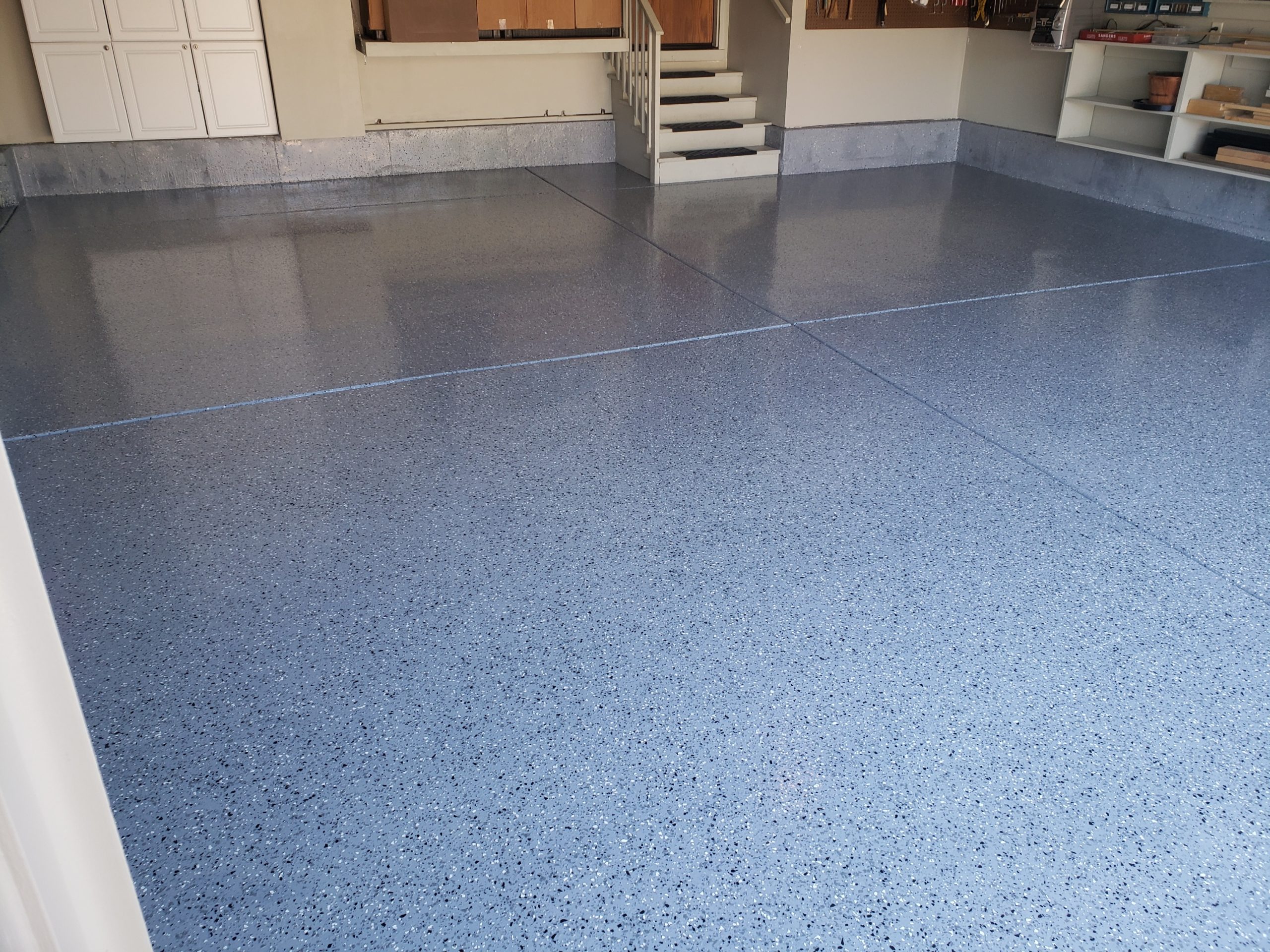
Starting and running a successful decorative concrete installation company isn’t just about knowing how to mix and pour concrete. It’s a unique blend of artistry, business savvy, and hands-on grit. In an industry that combines form and function, your personal traits can make or break your business. Here are seven essential characteristics every entrepreneur in the decorative concrete world should have:


1. Creative Vision

Decorative concrete is where construction meets design. Whether it’s decorative overlays on patios, stained floors, or intricate logo overlays, clients want beauty alongside durability. A successful owner needs an eye for aesthetics, color, texture, and proportion to bring clients’ ideas to life—or even improve upon them.

Tip: Stay current on design trends and always be ready to offer visual inspiration and expert suggestions.


2. Technical Expertise

While creativity drives design, solid technical skills bring those designs to life. Understanding materials, surface preparation, curing times, and weather effects is non-negotiable. Mistakes in installation can be costly and visible.

Tip: Get certified by relevant trade associations, and don’t skimp on training for yourself or your crew.


3. Strong Work Ethic

Decorative concrete work is physically demanding and time-sensitive. Long days, early mornings, and working outdoors in varying conditions are all part of the job.

Tip: Lead by example—your team will reflect your commitment and discipline.


4. Attention to Detail

From clean edges to consistent coloring, every detail matters. The margin for error is slim in decorative work, where flaws stand out more than in standard concrete jobs.

Tip: Implement rigorous quality control checks at every stage of a project.


5. Business Acumen

Beyond the jobsite, you’re running a business. That means budgeting, marketing, customer service, scheduling, and managing a crew. A good business head ensures that creativity and skill translate into sustainable profits.

Tip: Use job costing software, maintain a clean and informative website, and nurture word-of-mouth referrals.


6. Communication Skills

Clients often have a vision but don’t always know the lingo. Being able to translate their ideas into feasible solutions—while managing expectations—is critical.

Tip: Always be transparent with timelines, costs, and potential limitations. Good communication builds trust and long-term client relationships.


7. Problem-Solving Mindset

Every job has surprises—weather delays, supply shortages, unexpected surface issues. Your ability to think on your feet and pivot quickly keeps projects moving and clients happy.

Tip: Stay calm under pressure, and always have a backup plan ready.


Final Thoughts

Running a decorative concrete installation company takes more than knowing your way around a trowel. It requires the rare combination of being an artist, a technician, and an entrepreneur. If you have a passion for design, a knack for hard work, and a drive to build something of your own—both literally and figuratively—you’re already halfway there.

Whether you’re just starting out or looking to sharpen your edge, cultivating these characteristics will set you apart in a competitive, high-potential industry.

#smallbusinessmanagement, #decorativeconcrete

When people think about home improvement, the garage floor doesn’t always top the list—but it should. A decorative garage floor coating isn’t just about aesthetics; it offers practical, long-term value. Here are the top three reasons homeowners are opting for this popular upgrade:


1. Enhanced Appearance & Curb Appeal

Let’s face it: most garage floors start off as plain, dull concrete. Over time, they stain, crack, and become an eyesore. Decorative coatings—like epoxy, polyaspartic, or decorative flake systems—transform a drab slab into a clean, polished surface. These coatings come in various colors, textures, and finishes, allowing homeowners to match the look to their style or even coordinate with the rest of the home.

Why it matters:
First impressions count. A sleek garage floor can elevate the overall look of the space and even boost a home’s resale value.


2. Durability & Protection

One of the biggest functional benefits of a garage floor coating is the protection it provides. These coatings are designed to withstand the wear and tear of daily life—cars, tools, spills, heavy equipment, and more.

High-quality coatings resist:

  • Oil and chemical stains
  • Cracks and abrasions
  • Moisture damage
  • Hot tire pick-up

Why it matters:
Instead of constantly cleaning or repairing an unsealed concrete floor, homeowners get a low-maintenance, long-lasting surface that holds up under pressure.


3. Easy Maintenance & Safety

A coated garage floor is significantly easier to keep clean. Dust, debris, and liquids don’t penetrate sealed surfaces like they do on raw concrete. With just a mop or mild cleaner, the floor can stay spotless. Many coatings also include anti-slip textures or additives for improved safety, especially in high-traffic or wet areas.

Why it matters:
Cleanliness and safety go hand-in-hand, particularly in multipurpose garages used for storage, hobbies, or home gyms.


Final Thoughts

Decorative garage floor coatings offer a rare combination of beauty, performance, and practicality. For homeowners looking to protect their investment and enjoy a cleaner, more attractive garage space, this upgrade is an easy choice.

Considering a floor coating for your garage? It might be the best hidden gem in home improvement.

#decorativeconcrete, #garagefloorcoatings

Decorative concrete is a durable and beautiful option for outdoor surfaces like patios, walkways, and pool decks. But installing it in hot weather can be a real challenge. High temperatures can cause the concrete to set too quickly, reduce workability, and even lead to cracking or surface defects. Fortunately, there are several smart strategies you can use to protect both your concrete and your crew from the heat.

Here are the top three things to do when working with decorative concrete in hot weather:


1. Start Early and Work Fast (but Smart)

Why it matters:
Decorative concrete begins setting as soon as it’s mixed, and high temperatures speed up this process. That means you have less time to texture or apply colorants before the mix hardens. Early planning can make or break the project.

Tips:

  • Begin installing as early in the morning as possible to take advantage of cooler temperatures.
  • Keep your team well-coordinated and prepared with all tools and materials on-site to reduce downtime.
  • Work in smaller sections if needed, especially for more intricate decorative installing or staining.

2. Cool the Mix and Control the Temperature

Why it matters:
Controlling the temperature of the decorative concrete mix helps maintain its workability and reduces the risk of plastic shrinkage cracks.

Tips:

  • Shade the materials before mixing to keep them from getting too hot.
  • Ask your supplier about admixtures designed for hot weather—they slow down the setting time.

3. Keep the Surface Moist and Protected

Why it matters:
Rapid moisture loss due to heat and wind can cause surface cracking and ruin decorative finishes. Proper curing is essential for strong, good-looking concrete.

Tips:

  • Lightly mist the surface with water as you work to prevent premature drying.

Bonus Tip: Stay Hydrated and Safe

The safety of your crew is just as important as the quality of your concrete. Make sure everyone stays hydrated, wears sun protection, and takes regular breaks in the shade.


Final Thoughts

Hot weather doesn’t have to derail your decorative concrete project. With the right planning, mix management, and surface care, you can achieve stunning results even under the sun. These strategies not only ensure a better finish but also help protect the integrity of your work for years to come.

Stay cool and work smart!

#decorativeconcrete, #worksmart

If you own a decorative concrete business, you already know that success depends on more than just top-quality craftsmanship. How you get paid matters just as much. While many small contractors still rely on cash and checks, expanding your payment options can make a huge difference—not only for your bottom line, but also for your customer experience and reputation.

Here’s why taking payments beyond cash and check can help grow your decorative concrete business:


1. Make It Easier for Customers to Say “Yes”

Most homeowners and commercial clients expect convenience. If you’re only accepting cash or checks, you’re adding friction to the payment process. Offering credit cards, mobile payments (like Apple Pay or Google Pay), and online invoicing makes it easier for customers to commit on the spot—and that can be the difference between landing a job or losing it.

Pro Tip: Use a mobile card reader on-site to collect deposits right after the estimate is approved.


2. Get Paid Faster and More Reliably

Waiting for checks to clear—or worse, to arrive in the mail—can delay your cash flow. Digital payments are often instant or settle within a day or two. And with automatic reminders, recurring billing, or payment links, you’re less likely to chase down payments.

Bonus: You can easily keep track of transactions, making end-of-month accounting faster and cleaner.


3. Improve Your Professional Image

When you offer modern payment options, you show customers that you’re serious about your business. A customer portal, branded invoices, or a QR code to pay makes your company feel professional and trustworthy.

Think of it this way: if your decorative concrete work is polished and your payment system is stuck in the past, it sends mixed signals. Accepting digital payments reinforces the quality of your work.


4. Open the Door to Bigger Jobs

Credit card payments or financing options can help customers move forward with larger projects. Some homeowners may not have the cash on hand for a $10,000 patio or driveway upgrade, but if they can split it into payments, they’re much more likely to move forward.

Consider partnering with a financing platform or offering payment plans to make those big-ticket jobs easier to sell.


5. Protect Yourself and Your Business

Cash can’t be traced. Checks can bounce. Digital payments provide a clear record of transactions, which helps protect you in the event of a dispute. Many platforms even allow you to require a signature or accept terms of service before payment, which adds an extra layer of protection.


What Payment Methods Should You Consider?

  • Credit and Debit Cards – Accept on-site or via invoice.
  • Mobile Wallets – Apple Pay, Google Pay, etc.
  • Online Invoices – Send through platforms like Square, QuickBooks, or PayPal.
  • Bank Transfers / ACH – Lower fees than cards, and great for larger payments.
  • Buy Now, Pay Later or Financing Options – Great for higher-end work.

Final Thoughts

Your decorative concrete work is built to last—and your business practices should be too. Accepting more than just cash and checks puts you ahead of the competition, improves customer satisfaction, and helps you get paid quickly and reliably.

In today’s market, payment flexibility isn’t just a convenience—it’s a competitive advantage.

#decorativeconcrete, #smallbusinessmanagement

When it comes to applying a decorative coating—like epoxy, stains, or overlays—to a concrete slab, surface preparation is critical, especially if there’s a pre-existing coating. Whether you’re dealing with old paint, a worn-out epoxy, or any other topical finish, removing it correctly is the key to ensuring strong adhesion and long-term performance of your new coating.

Below are the three most effective methods to prepare a concrete surface with a pre-existing coating for a new decorative treatment.


1. Mechanical Grinding

Best for: Thin to moderate coatings, rough surface prep, or when profile control is critical.

What it is: Mechanical grinding involves using a walk-behind or hand-held grinder fitted with diamond grinding segments to remove the existing coating and expose clean concrete.

Benefits:

  • Provides a clean, profiled surface for optimal bonding.
  • Allows precise control over how much material is removed.
  • Suitable for both interior and exterior applications.

Considerations:

  • Dust control is essential—use vacuums or dust shrouds.
  • May leave swirl marks that need additional smoothing.
  • Not ideal for removing thick or rubbery coatings.

Pro tip: Use a 30–40 grit diamond for coating removal, then refine the profile with a finer grit if the new coating requires a smooth finish.


2. Shot Blasting

Best for: Large areas and heavier-duty coatings.

What it is: Shot blasting uses a machine that propels small steel shot at high velocity onto the concrete surface. This abrasively removes the old coating and creates a rough profile ideal for new coatings.

Benefits:

  • Extremely effective at removing coatings and contaminants.
  • Leaves a highly textured surface for excellent mechanical bonding.
  • No water or chemicals involved—dry process.

Considerations:

  • May not reach edges or corners effectively.
  • Can be too aggressive for thin or decorative overlays.
  • Equipment rental or professional service may be necessary.

Pro tip: Match the blast profile (CSP—Concrete Surface Profile) to your new coating’s specifications. Most decorative coatings require a CSP of 2–4.


3. Chemical Stripping

Best for: Coatings that resist mechanical removal or delicate surfaces.

What it is: Chemical strippers use solvents to break down old coatings so they can be scraped or scrubbed off.

Benefits:

  • Can remove stubborn or thick coatings (like urethanes or elastomerics).
  • Less noisy and dusty than mechanical methods.
  • Good for small or detailed areas.

Considerations:

  • Requires proper PPE and ventilation due to fumes.
  • Stripped surfaces often require neutralizing and thorough rinsing.
  • Disposal of chemical waste must follow local regulations.

Pro tip: After chemical stripping, always perform a final clean with a neutralizing agent and test for moisture content before applying a new coating.


Final Thoughts

Choosing the right preparation method depends on the type and thickness of the existing coating, the final decorative finish you plan to apply, and the condition of the concrete substrate.

Here’s a quick recap:

MethodBest ForCautions
GrindingThin coatings, precise controlMay create swirl marks
Shot BlastingHeavy coatings, large areasToo aggressive for thin overlays
Chemical StrippingTough coatings, detail workRequires cleanup and proper disposal

By properly preparing the surface, you’re setting the stage for a decorative coating that not only looks great but lasts for years.

#decorativeconcrete, #concreteprep, #coatingsremoval

When Jason first launched Artisan Concrete Designs in 2015, it was just him, a borrowed truck, and a passion for transforming dull slabs into beautiful, textured surfaces. He was the face of every job—hauling tools, pouring mixes, hand-finishing edges, and talking clients through color options and stamp patterns. For years, every driveway, patio, and pool deck had his literal fingerprints on it.

But eight years later, Jason’s role looks very different. Today, Artisan Concrete Designs employs two full-time crews, has a dedicated operations manager, and runs upwards of five jobs a week across the region. While Jason is still deeply involved in the business, his hands are no longer in the concrete—they’re on the controls of a growing enterprise.

Here’s how that transformation happened—and what other small trades-based business owners can learn from the journey.


Phase 1: Doing It All

In the early days, Jason wore every hat: estimator, installer, bookkeeper, marketer, and customer service rep. He showed up at every job with a trailer full of gear and a day packed with physical labor. This phase was essential. It helped build a reputation for quality, develop client trust, and fine-tune his craft.

“I never saw a job as too small. Each one was a portfolio piece, and every customer was a referral opportunity,” Jason says.

But as demand grew, so did the burnout. Scheduling became chaotic, and returning calls after 10-hour days in the sun wasn’t sustainable.


Phase 2: Building a Team

The first major step was hiring help—not just laborers, but people Jason could train in the same high standards he held himself to. He brought on one employee, then another. Slowly, he shifted from being the only installer to leading a small team.

It wasn’t without challenges. Delegating quality control and trusting others to carry the brand was difficult. But Jason remained hands-on in a new way: job site walkthroughs, regular training, and personal follow-ups with customers.

At the same time, he began carving out office hours to manage quotes, invoices, and growing social media inquiries.


Phase 3: Stepping Back to Scale Up

With a capable field crew in place, Jason turned his focus toward systems and growth. He hired a part-time admin to help manage scheduling and a bookkeeper to streamline the financials. Investing in estimating software cut proposal turnaround time in half.

Marketing became more strategic, too—focused on online reviews, Google ads, and SEO-optimized content. The brand moved from “Jason the concrete guy” to “Artisan Concrete Designs,” a company with process, polish, and consistency.

By 2024, Jason no longer needed to be on-site every day. He focused on business development, networking with builders and designers, exploring commercial bids, and ensuring the company culture stayed strong.


Phase 4: Leading, Not Laying

Today, Jason’s role is visionary. He checks in with crews weekly, reviews complex designs, and meets high-value clients, but his primary focus is guiding the business forward. His schedule includes strategy sessions, training programs, and planning new service offerings like polished concrete or epoxy flooring.

The company’s success didn’t come from Jason letting go of the quality—it came from embedding that quality into the culture and systems of the business.

“Stepping off the job site felt strange at first,” Jason reflects. “But now I get to work on the business instead of in it. That’s how we grow.”


Takeaways for Trades Business Owners

  • Start with quality: Build your name first by delivering excellence consistently.
  • Train your team well: Hire for attitude, teach for skill, and lead by example.
  • Delegate and systemize: Trust the team and invest in tools that save time and money.
  • Think like an owner: Shift your mindset from technician to leader if you want to scale.
  • Never lose your core values: Growth should amplify your standards, not dilute them.

What began as a one-man show is now a respected decorative concrete brand known for artistry and reliability. And while Jason may not be wielding a trowel daily, his vision and leadership are etched into every project the team completes.

If you’re in the trades and dreaming of growth, take a page from Artisan Concrete Designs: master your craft, build your team, and don’t be afraid to trade your boots for the blueprint.

#decorativeconcrete, #businessgrowth, #smallbusiness

When it comes to home improvements that deliver a solid return on investment (ROI), decorative concrete resurfacing is an often overlooked but incredibly effective option—especially when applied to your driveway. It combines aesthetic appeal with functional durability, making it a smart upgrade for homeowners looking to increase their property’s value before selling or simply wanting to elevate their curb appeal.

How Much Value Does Decorative Concrete Resurfacing Add?

On average, resurfacing your concrete driveway with a decorative finish can increase your home’s value by 5% to 10%, depending on the location, condition of the property, and quality of the work.

For example, if your home is worth $400,000:

  • A 5% increase = $20,000
  • A 10% increase = $40,000

Considering the typical cost of decorative concrete resurfacing ranges from $7 to $10 per square foot, even a large driveway might only cost $5,000 to $10,000. That’s a potentially significant ROI.


Why Does Decorative Concrete Resurfacing Increase Home Value?

1. Enhanced Curb Appeal

The driveway is often the first thing buyers notice. A stained, or textured concrete driveway provides a polished, custom look that enhances the home’s exterior dramatically. First impressions matter—and beautiful driveways set the tone for the rest of the property.

2. Modern, Customized Appearance

With a wide variety of finishes—stone, slate, tile, wood patterns, and more—resurfacing allows for personalized design without the cost of full demolition and repaving. This modern upgrade makes a home look more contemporary and well-kept.

3. Cost-Effective Upgrade

Compared to replacing a driveway, resurfacing is more affordable and less labor-intensive. It adds visual value similar to more expensive exterior renovations, such as landscaping or new siding, but at a fraction of the cost.

4. Durability and Longevity

Resurfaced driveways are sealed against stains, moisture, and weather damage, giving them a longer lifespan and reducing maintenance needs—something that adds appeal to both current homeowners and potential buyers.

5. Perceived Maintenance and Upkeep

A clean, newly resurfaced driveway gives the impression that the entire property has been well maintained. Buyers are more likely to assume the interior has received the same level of care, increasing perceived value.


Is It Worth It?

In most cases, yes. Decorative concrete resurfacing offers one of the best cost-to-value ratios for exterior upgrades. It’s an ideal project if you’re preparing to sell, or if you want to enjoy a more attractive and functional entryway.

Before committing, ensure:

  • The existing concrete is structurally sound
  • You choose a design that complements your home’s aesthetic

Final Thoughts

A driveway isn’t just a place to park your car—it’s an integral part of your home’s first impression. Decorative concrete resurfacing transforms a dull, cracked surface into a standout feature, potentially adding thousands to your home’s resale value. It’s a small investment with big aesthetic and financial payoffs.

#decorativeconcrete, #drivewayresurfacing, #homevalues

Decorative concrete resurfacing continues to evolve as homeowners, designers, and commercial developers seek cost-effective, stylish, and sustainable solutions to refresh their spaces. As we move into 2025, innovation and aesthetics are converging like never before. Here are the top three trends shaping the future of decorative concrete resurfacing this year:


1. Nature-Inspired Textures and Finishes

In 2025, there’s a strong shift toward bringing the outdoors in—and the indoors out. This trend is driving demand for nature-inspired textures, such as:

  • Stone and slate imprints
  • Wood plank stamps that mimic rustic and reclaimed timbers
  • Sandstone and river rock finishes

These designs offer the beauty of natural materials with the durability and low maintenance of concrete. Outdoor patios, pool decks, and entryways are increasingly adopting these patterns to create a seamless connection with surrounding landscapes. Indoors, faux-wood concrete floors are becoming a sophisticated alternative to traditional hardwood in kitchens and basements.


2. Sustainable and Eco-Friendly Resurfacing Systems

Sustainability is no longer a niche; it’s a necessity. In 2025, concrete resurfacing is embracing eco-conscious practices, such as:

  • Low-VOC sealers and stains
  • Recycled aggregate materials
  • Cool-surface coatings to reduce heat absorption on patios and driveways

Homeowners and businesses alike are prioritizing green certifications and materials that minimize environmental impact. Many resurfacing products now promote energy efficiency by reducing heat islands and improving indoor thermal performance, making them especially attractive in urban environments and green building projects.


3. High-Design Customization and Metallic Finishes

Decorative concrete is no longer just a utilitarian option—it’s a canvas for high-end design. In 2025, there’s a surge in customization, including:

  • Metallic epoxy overlays with swirling, high-gloss effects for interior floors
  • Color layering and stenciling for personalized logos, patterns, and murals
  • Modern geometric scoring and engraving for minimalist and industrial aesthetics

These advanced techniques allow for stunning, showroom-quality surfaces in residential homes, retail spaces, restaurants, and even office environments. As clients look for unique, Instagram-worthy finishes, contractors are investing in more artistic applications and offering more custom options than ever before.


Final Thoughts

Decorative concrete resurfacing in 2025 is all about blending function with form, and eco-consciousness with creativity. Whether you’re refreshing a backyard patio or updating a commercial space, this year’s trends offer exciting ways to transform tired concrete into something truly extraordinary.

Thinking about your next resurfacing project? Keep these trends in mind to create a timeless, modern space that’s built to last.

#Decorativeconcrete, #Trendsfordecorativeconcrete, #concretetechnology

Concrete is durable, but it’s not indestructible. Over time, cracks can develop from weathering, ground movement, or heavy use. If you’re considering a concrete resurfacing product to refresh your driveway, patio, or walkway, proper crack repair is essential to ensure a smooth, long-lasting finish.

In this post, we’ll cover the top two most effective methods to repair cracked concrete before resurfacing.


1. Epoxy Injection for Structural Cracks

Best for: Deep, structural cracks that go through the concrete.

Why it works: Epoxy is incredibly strong and creates a permanent bond between concrete surfaces. It doesn’t just fill the crack—it actually restores the structural integrity of the slab.

Steps:

  1. Clean the crack: Use a wire brush or compressed air to remove debris and dust.
  2. Seal the surface: Apply epoxy surface sealant along the crack and attach injection ports (usually spaced every 6–10 inches).
  3. Inject epoxy: Using a dual-cartridge epoxy gun, inject the resin slowly from the lowest port upward until it begins to ooze from the next port.
  4. Cure and remove ports: Allow 24–48 hours to cure, then remove the ports and grind any excess epoxy flush with the surface.

Pro Tip: Epoxy injection is ideal for cracks wider than 1/8 inch and in areas where structural integrity is a concern.


2. Polyurethane Caulking for Non-Structural or Hairline Cracks

Best for: Surface or hairline cracks, and areas with some movement or expansion.

Why it works: Polyurethane caulk remains flexible after curing, allowing it to move with the concrete and prevent future cracking. It’s also waterproof and adheres well to prepared concrete.

Steps:

  1. Prepare the crack: Clean out the crack thoroughly. For cracks larger than ¼ inch, use a chisel to widen the crack slightly into an inverted “V” shape to help the filler bond better.
  2. Apply backer rod (if needed): For deeper cracks, insert a foam backer rod to reduce the amount of filler needed and improve flexibility.
  3. Apply polyurethane sealant: Use a caulking gun to fill the crack, slightly overfilling it.
  4. Tool the surface: Smooth the surface with a putty knife or trowel, feathering it out to blend with surrounding concrete.
  5. Cure fully: Allow the caulk to cure per manufacturer instructions—usually 24–48 hours—before resurfacing.

Pro Tip: Choose a UV-resistant polyurethane sealant for outdoor applications to prevent discoloration.


Final Note: Why Crack Repair Matters

Failing to repair cracks before resurfacing leads to premature failure of the overlay. Resurfacing products like concrete microtoppings or polymer-modified overlays are only as good as the base they adhere to. Cracks will telegraph through new surfaces if not properly treated.

By taking the time to repair cracks correctly, you’re extending the life of your resurfacing job and improving the overall appearance and durability of the concrete.


Ready to Resurface?
Make sure your crack repair method suits the type of damage you’re dealing with. Whether you need the strength of epoxy or the flexibility of polyurethane, a solid foundation is key to a flawless finish.

#concretecrackrepair, #decorativeconcrete, #concretetechnology